Guide for judging the maintenance of melt pump
In production lines for polymer materials—such as synthetic fibers, pelletizing, film, sheet, and pipe manufacturing—melt gear pumps are critical equipment for ensuring stable pressure, precise flow rates, and consistent product quality. Operating continuously under high-temperature, high-pressure, and high-viscosity conditions, internal components inevitably experience wear, leakage, and a decline in efficiency. Premature maintenance increases production costs, while continuing to operate faulty equipment can lead to downtime, higher scrap rates, and even safety hazards. Accurately determining the optimal timing for maintenance is crucial for the smooth operation of the production line.
Before the performance of a melt gear pump deteriorates, warning signs typically emerge in terms of process parameters, equipment status, and product quality. These can be comprehensively assessed across six key dimensions.
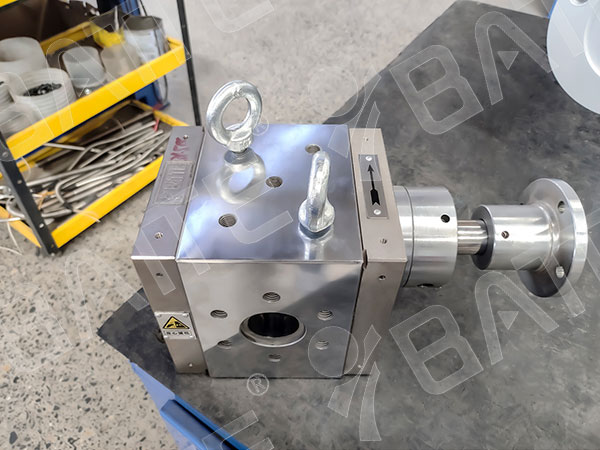
First, abnormal fluctuations in flow rate and pressure. When the extruder speed and material formulation are stable, if the pump outlet pressure continues to drop or fluctuates significantly, and the flow rate fails to reach the set value, this is usually caused by a decrease in internal volumetric efficiency. Wear on the gear end faces and radial clearances will exacerbate internal leakage in the melt, leading to a reduction in actual output capacity. After ruling out upstream filter clogging and changes in material viscosity, it can generally be determined that the pump body is worn.
Second, abnormal noise and vibration. Sharp, unusual noises, knocking sounds, or significantly increased vibration during operation are often caused by gear wear and damage, bearing failure, foreign objects becoming lodged, or poor coupling alignment. Such issues can easily lead to secondary damage to components; therefore, the machine should be shut down immediately for inspection. Additionally, using an upstream screen changer to filter out impurities can help reduce the entry of foreign objects into the pump housing.
Third, abnormal temperature rise in the pump body. If the temperature of the pump body or bearing housing exceeds the normal range, this is typically caused by increased internal friction, shear heating, dry friction in the seals, or insufficient lubrication. It is necessary to first distinguish between heating system malfunctions and heat generated by mechanical friction to avoid delays in maintenance due to misdiagnosis.
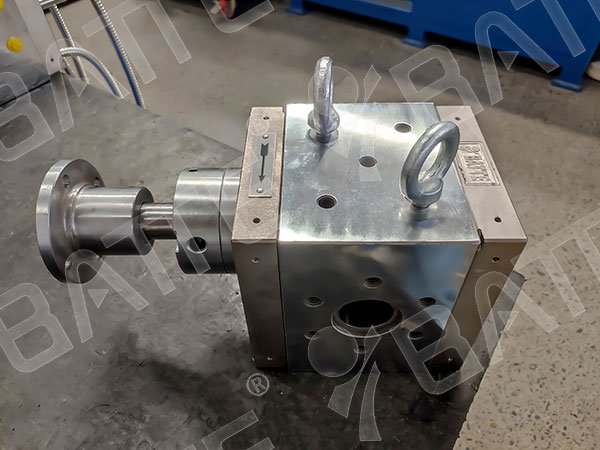
Fourth, leakage at the sealing points. Leakage of melt or lubricating oil from the shaft seal indicates that the sealing components are worn, aged, or have failed. For clean, volatile, or special materials, leaks can directly impact product quality and production safety and must be addressed promptly.
Fifth, abnormal drive current. Persistently high or excessively fluctuating motor current indicates an abnormal load. Elevated current is often caused by increased internal friction or excessively high material viscosity; severe current fluctuations may indicate intermittent stalling. Incorporating current monitoring into routine checks can help identify potential issues early.
Sixth, fluctuations in product quality. Issues such as inconsistent dimensions, streaking, color variations, and reduced mechanical properties are often caused by unstable pressure and flow from the melt gear pump being transmitted to the die, indirectly reflecting a decline in the pump’s delivery performance.
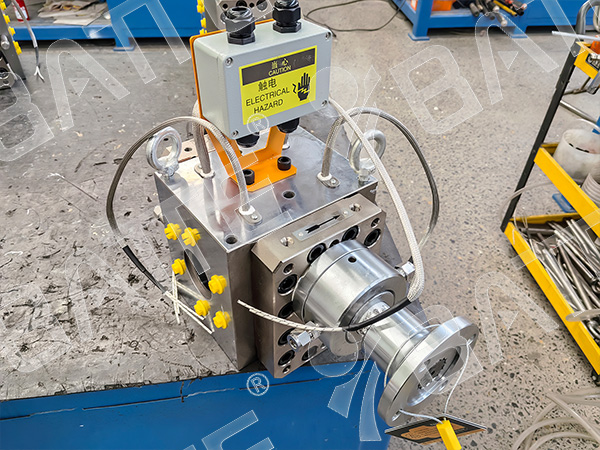
By closely monitoring these signs during daily operation, you can accurately determine the optimal timing for maintenance of the melt gear pump. This ensures production continuity while reducing losses and risks and extending the equipment’s service life.
Email: sale@meltpump.com
WhatsApp: +86 158 3833 1071